ANA by KRAFTON: Launching KRAFTON's First AI Virtual Artist from Zero to 5.4M Views in 50 Days
I led the creative strategy and narrative direction behind ANA, defining her identity, voice, and content format from scratch, and building an audience of 20K+ followers in 50 days without a single paid media push.
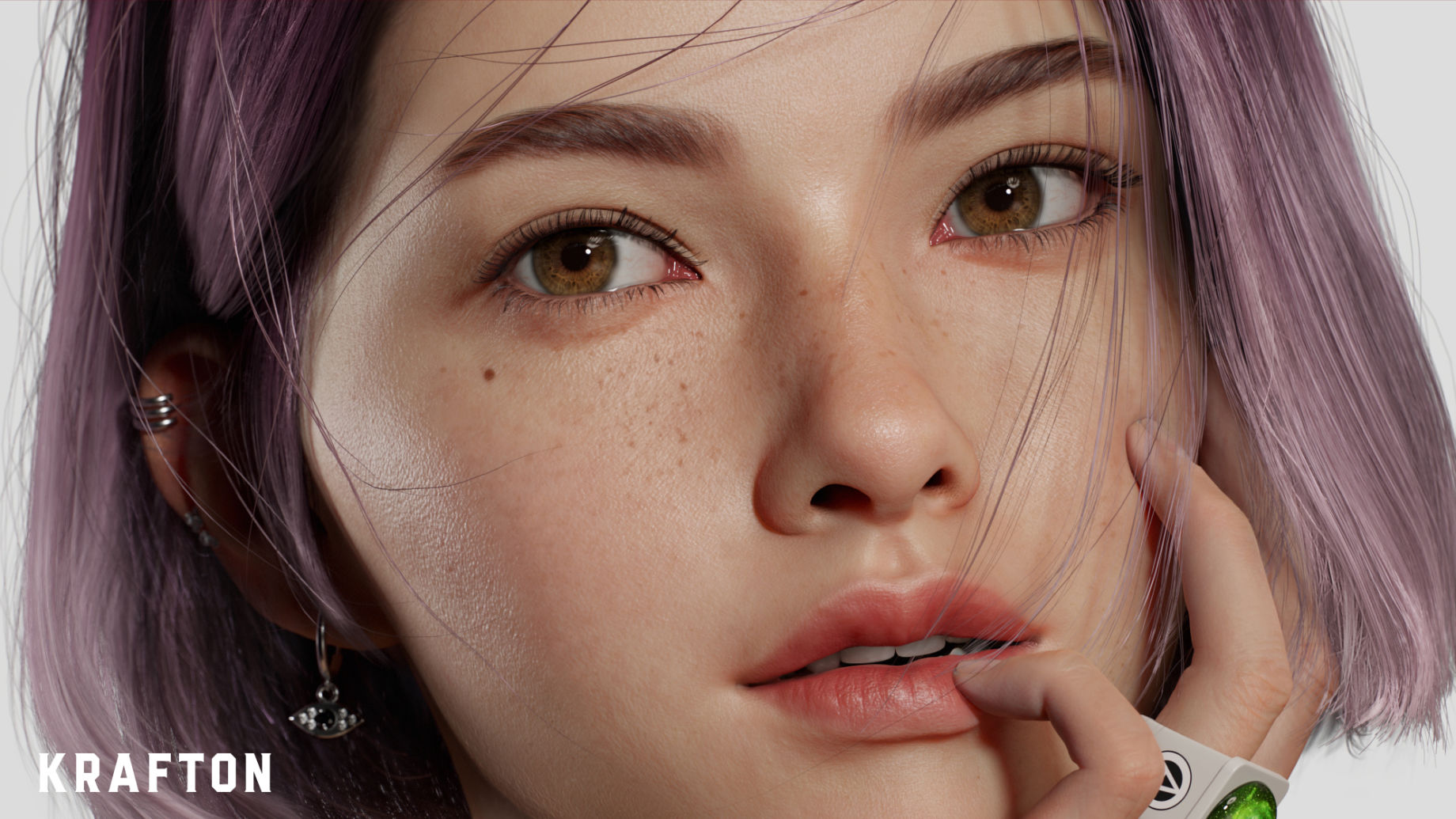
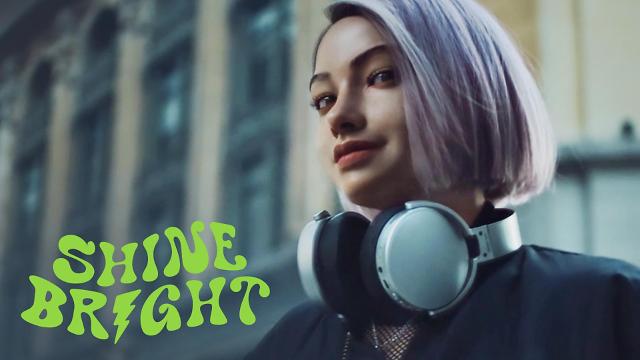
In early 2021, there was no established playbook for launching an AI virtual artist in Korea. The technology existed (deep learning, motion capture, Unreal rigging), but technology alone doesn't build an audience. The challenge was to make ANA feel real: a credible artist with a point of view, a voice people could connect with, and a reason to follow her that had nothing to do with the fact that she was AI-generated.
The strategic sequence was intentional: lead with story, not specs.
We chose music as the launch format for a deliberate reason: music creates emotional connection before the audience has time to think critically about what they're watching. A debut single meant ANA could be experienced as an artist first, and an AI second.
Content was built for three distinct audience layers simultaneously: entertainment fans who needed to see ANA as a credible performer, tech enthusiasts who wanted to understand how she was made, and general consumers who just needed a reason to care. Each layer required a different tone, platform, and message, but all had to reinforce the same core identity.
As the underlying technology improved over time, we deliberately expanded ANA's format range into gaming and livestream content, moving her from a music act into a gaming creator, which was a more natural long-term home given KRAFTON's IP ecosystem.
Over 50 pieces of content were produced across YouTube, Instagram, Shorts, influencer collaborations, and live events, all within the first 50 days. I directed the creative across all formats, which in practice meant making daily decisions about what ANA said, how she sounded, what she wore, and how she responded to audience reactions in real time.
The most persistent tension was between technical credibility and entertainment accessibility. The deep learning and Unreal engine teams wanted to showcase the technology; the entertainment and PR teams wanted audiences to forget the technology entirely. I sat between both, making sure each piece of content was technically impressive enough to earn media coverage, but emotionally engaging enough that general audiences wouldn't bounce. When the two genuinely couldn't coexist in one piece, I sided with emotional accessibility: a technically dazzling clip that left people cold did nothing for an artist whose entire premise was that you could connect with her. The tech could earn the headline; the story had to earn the follow.
The influencer strategy was a specific unlock: rather than announcing ANA through a press release, we seeded her into existing fan communities through creator collabs, letting audiences discover her organically before she was formally introduced as an AI.
Quantitative
- 5.4M+ views in 50 days (organic, no paid media)
- 20K+ followers at launch
Qualitative
- ANA was covered as a cultural story, not a tech announcement: earned media framed her alongside human artists, not alongside AI research papers
- The music-to-gaming format expansion was adopted as the content model for ANA's ongoing presence, validating the original strategic thesis
- Recognised internally as KRAFTON's first successful virtual IP launch outside of game titles
Figures reflect campaign-level outcomes from the period shown; some attribute to team and agency contributions. Sourcing available on request.
Related expertise
Singapore Market Entry Strategy for Korean SMEs
Brand-first market entry strategy for Korean SMEs expanding into Singapore with stronger positioning, local proof, and channel sequencing.
Narrative Development for Gaming and Virtual IP
Narrative development for gaming brands and virtual IP that need to translate product or technology into stories audiences can care about.
Brand Strategy for Tech Brands With Complex Products
Brand strategy for tech brands that need to turn product complexity into clearer positioning, sharper stories, and stronger market understanding.
Related essays
How Korean SMEs Can Enter the Singapore Market: A Brand-First Playbook
A market-entry playbook focused on positioning, proof, and localization before channel expansion.
What Korean Branding Gets Right (And Wrong) When Going Global
A breakdown of how Korean brands travel globally when positioning is clear and where they lose force.
Why Foreign Brands Stall in Korea: A Market That Rewards Speed, Not Scale
Why the global HQ playbook breaks down in Korea: velocity, pop-up-driven retail, and a generationally fragmented consumer base.
Working on something like this?
Let's talk →