PUBG: NEW STATE, Full-Funnel Launch Strategy for a Global Release
The central challenge wasn't launching a new game so much as convincing an existing PUBG fanbase that this was worth their time, without cannibalising PUBG Mobile's audience. I led the content strategy and creative direction for a full-funnel global launch, from worldbuilding teasers to post-launch update content.
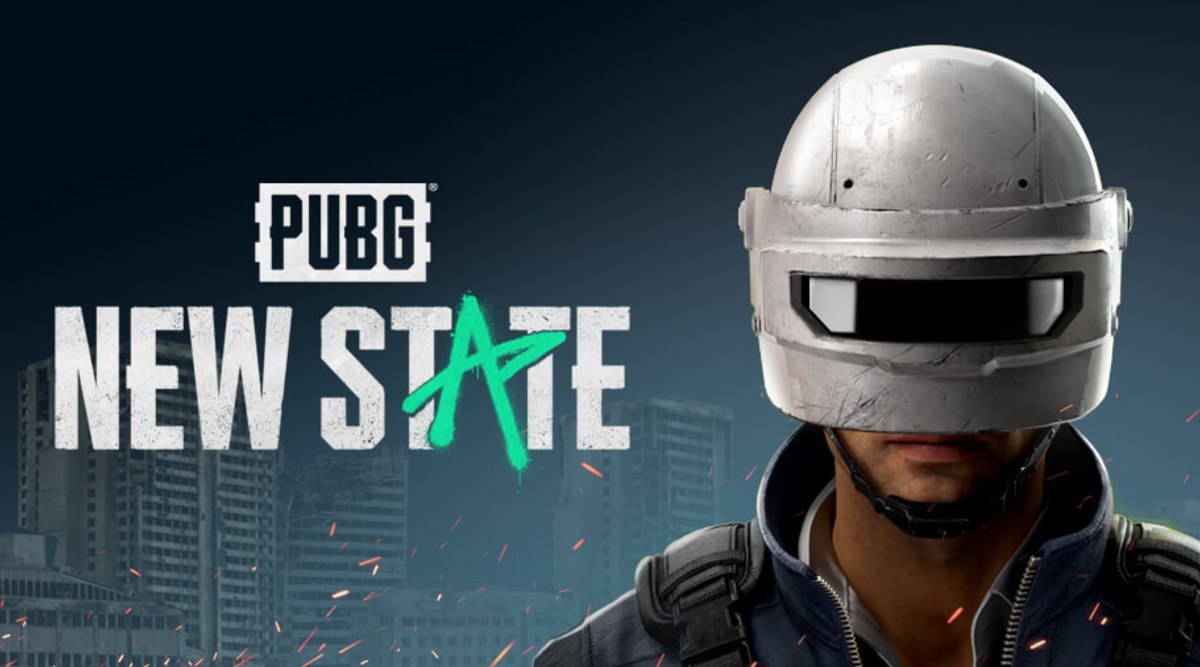
PUBG: NEW STATE had a problem that most game launches don't: it was competing with itself. PUBG Mobile already had a massive, loyal global audience. Launching a new title under the same IP meant every piece of content had to answer the same unspoken question from existing players: 'Why should I leave the game I already love?'
The objective was to build a content strategy that clearly positioned NEW STATE as the next evolution, not a replacement and not a spin-off, while simultaneously reaching completely new audiences across different continents on launch day.
The strategy was built around three sequenced phases, each with a distinct job to do.
The hardest call came before any of those phases: how aggressively to position NEW STATE against PUBG Mobile. Framing it as a straight upgrade would have driven the cleanest launch numbers, and cannibalised the title that was already winning. I pushed for the slower framing: a parallel evolution, not a successor. It cost some launch-day urgency, but it protected the franchise instead of trading one audience for another.
Testing as content: Rather than keeping alpha and beta tests quiet, we turned them into a transparency play, publishing developer diaries and testing recaps that built trust with the hardcore PUBG community and gave them a reason to follow the launch closely. This also let us gauge audience reaction to new mechanics before committing to final messaging.
Differentiation through specifics: The core NEW STATE upgrades, including advanced movement, vehicle physics, futuristic world design, and improved combat, were translated into concrete user-facing messages rather than feature lists. The goal was to give existing PUBG Mobile players specific reasons to understand what was different, not just that something was different.
Global influencer architecture: The influencer plan was structured regionally across US, EU, and APAC, because player expectations and content consumption patterns differ significantly across these regions. Creator selection and briefing were tailored to each market rather than run as a single global campaign.
Content was structured across three phases, each with different goals and audiences.
Pre-launch: Worldbuilding teasers established the futuristic setting and tone, deliberately distancing the visual identity from PUBG Mobile's aesthetic. Developer diaries and testing recaps were distributed to core gaming media and community channels to build credibility with hardcore players before casual audiences were targeted.
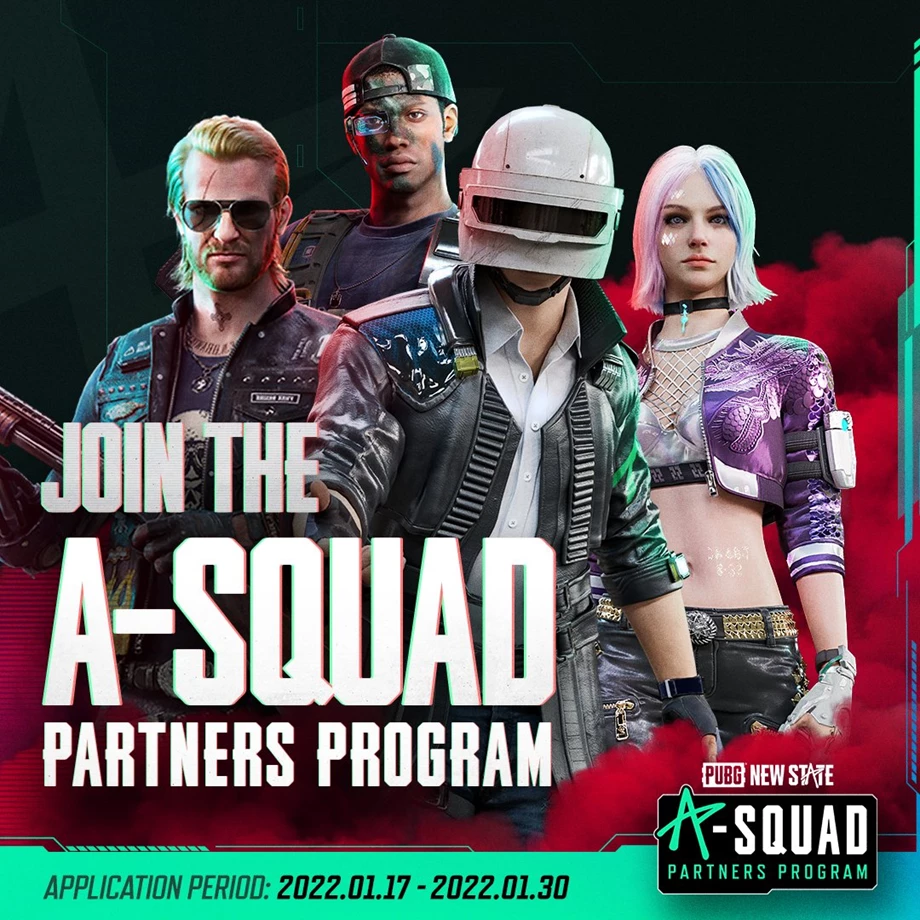
Launch: The global trailer rollout was coordinated, a logistical challenge that required localisation, platform-specific versioning, and a creator briefing process that could scale across US, EU, and APAC without losing message consistency. The A-Squad creator campaign gave key influencers early access and a structured content framework, so audiences were getting creator-led breakdowns of the same key features across different markets at the same time.
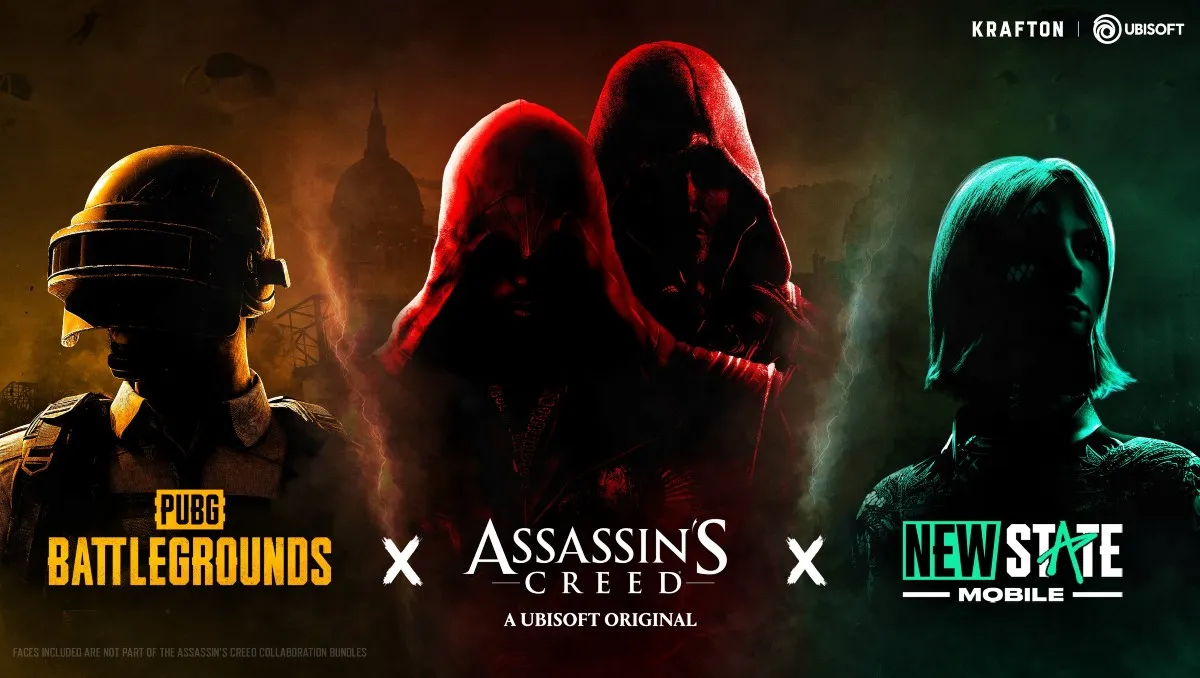
The KRAFTON × Ubisoft collaboration was a specific reach expansion play, using an established IP partnership to expose NEW STATE to audiences outside the existing PUBG ecosystem.
Post-launch: Update explainers and patch-note breakdowns maintained player comprehension and reduced churn by making game changes feel accessible rather than technical.
Quantitative
- 50M+ pre-registrations globally before launch day
- US, EU, APAC reached simultaneously on day one
Qualitative
- Positioned NEW STATE as a clear evolution of PUBG, with earned coverage consistently framing it as "next-gen," not "PUBG Mobile 2"
- A-Squad creator framework was adopted as a replicable model for future KRAFTON game launches
- Dev diary and testing transparency approach reduced negative pre-launch community sentiment compared to previous titles
Figures reflect campaign-level outcomes from the period shown; some attribute to team and agency contributions. Sourcing available on request.
Related expertise
Singapore Market Entry Strategy for Korean SMEs
Brand-first market entry strategy for Korean SMEs expanding into Singapore with stronger positioning, local proof, and channel sequencing.
Launch Strategy for Gaming Brands
Launch strategy for gaming brands that need clearer audience translation, better content sequencing, and stronger global rollout logic.
Narrative Development for Gaming and Virtual IP
Narrative development for gaming brands and virtual IP that need to translate product or technology into stories audiences can care about.
Related essays
How Korean SMEs Can Enter the Singapore Market: A Brand-First Playbook
A market-entry playbook focused on positioning, proof, and localization before channel expansion.
What Korean Branding Gets Right (And Wrong) When Going Global
A breakdown of how Korean brands travel globally when positioning is clear and where they lose force.
Why Foreign Brands Stall in Korea: A Market That Rewards Speed, Not Scale
Why the global HQ playbook breaks down in Korea: velocity, pop-up-driven retail, and a generationally fragmented consumer base.
Working on something like this?
Let's talk →